Adventure Guide
Wildlife Viewing Near Bozeman
Elk graze in open meadows, bighorn sheep navigate rocky slopes, and bald eagles soar above winding rivers. Venture farther into Yellowstone, and bison, bears, and wolves enter the picture.
From the Gallatin River to Yellowstone’s wide-open valleys, Southwest Montana offers remarkable opportunities to see wildlife in its natural habitat. Sightings are never guaranteed, but that’s part of the adventure. Grab your binoculars, hit the road, and keep your eyes peeled.
Where to See Wildlife Near Bozeman
Gallatin Canyon
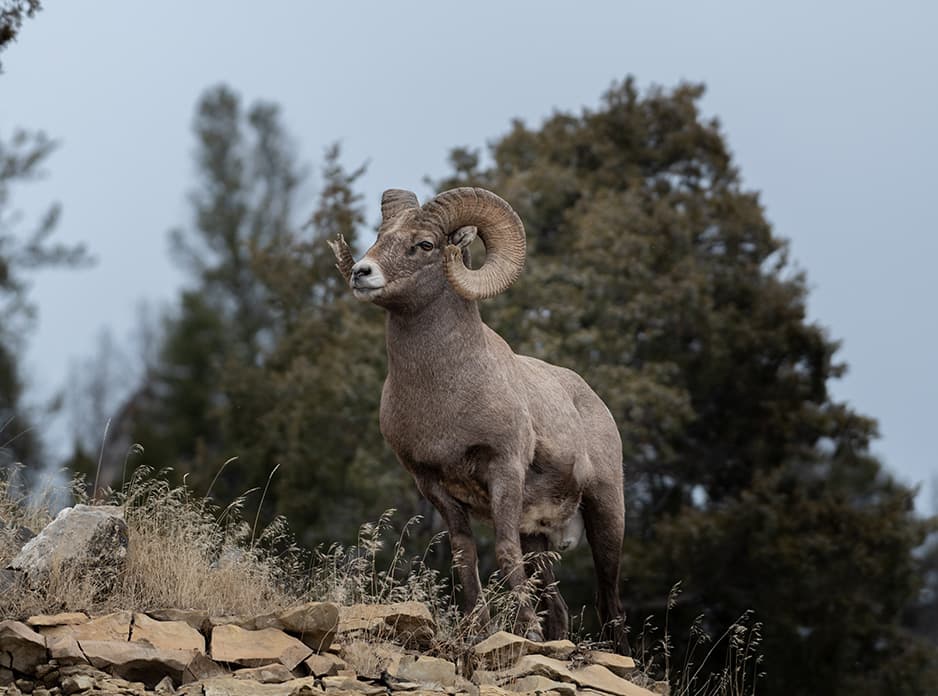
Highway 191 follows the Gallatin River south from Bozeman, winding between forested mountains and steep canyon walls. Watch for elk and deer along the riverbanks, bighorn sheep on rocky slopes, and the occasional moose near the water.
Best For: Scenic drives and roadside wildlife viewing
What to Look For: Elk, deer, bighorn sheep, moose, and bald eagles
Local Tip: Early mornings and evenings offer some of the best viewing opportunities. Use designated pullouts to scan the riverbanks and rocky slopes.
Hyalite Canyon
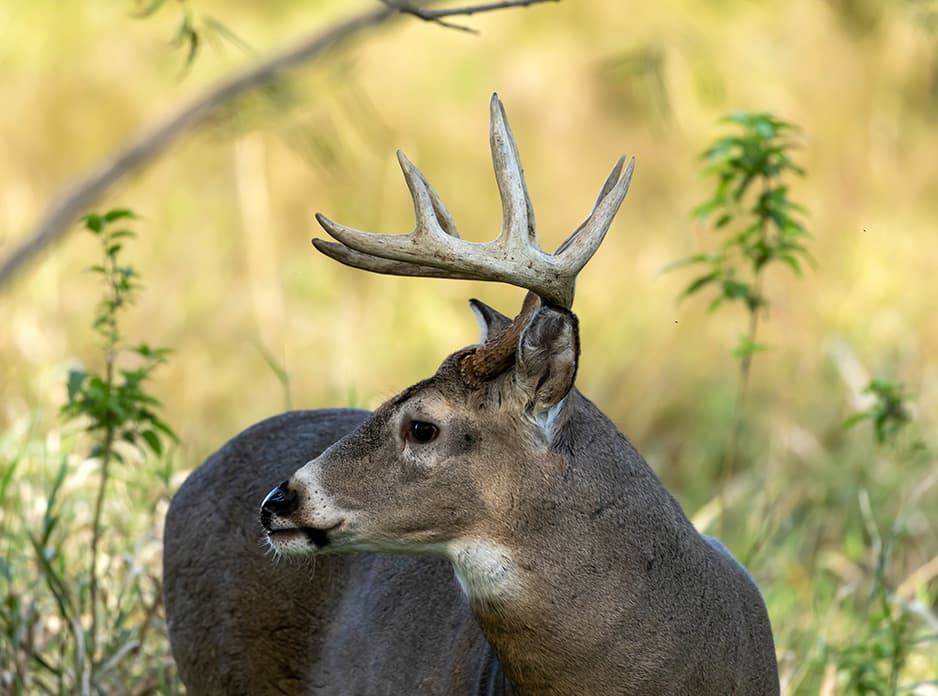
Just south of Bozeman, Hyalite Canyon offers mountain streams, dense forests, and the scenic Hyalite Reservoir. Deer, birds, and smaller mammals inhabit the area, with occasional bear sightings in the surrounding wilderness. Explore the trails or pair wildlife watching with a hike to Palisade Falls.
Best For: Wildlife viewing and hiking
What to Look For: Deer, birds, smaller mammals, and occasionally bears
Local Tip: Bring binoculars and explore the quieter stretches of trail, keeping a safe distance from wildlife.
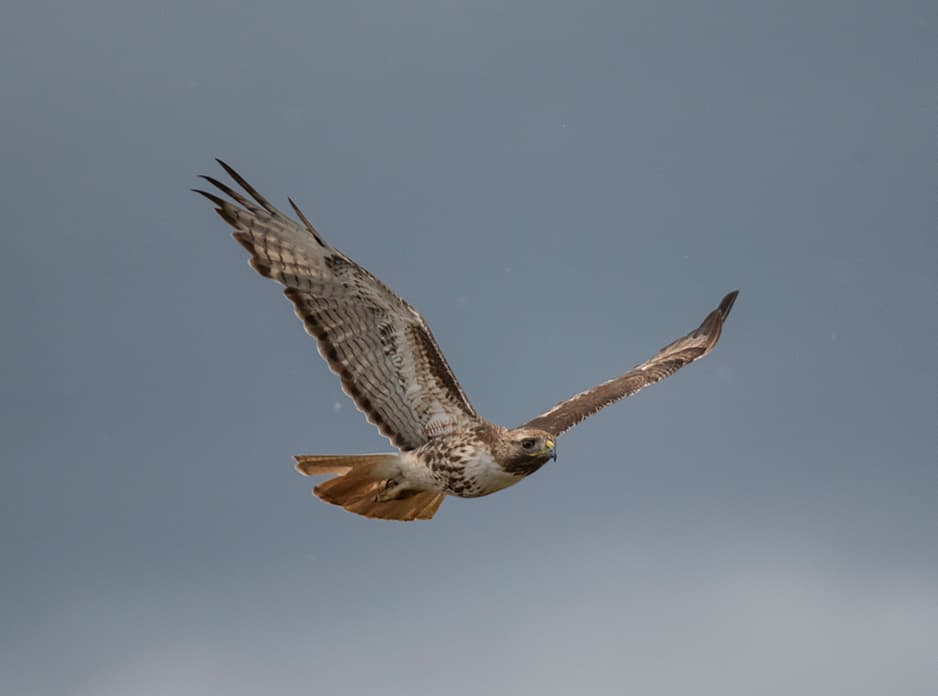
Bridger Canyon
Just northeast of Bozeman, Bridger Canyon winds through open meadows, forested hillsides, and the foothills of the Bridger Mountains. Watch for elk and deer along the valley floor, with raptors overhead and the occasional black bear in the surrounding mountains.
Best For: Scenic drives and wildlife viewing close to town
What to Look For: Elk, deer, birds of prey, and occasionally black bears
Local Tip: Take Bridger Canyon Drive toward Bridger Bowl in the early morning or evening, when wildlife is often more active.
Worth the Drive
A little farther from Bozeman, Yellowstone National Park is well worth the journey. Its sweeping valleys and open grasslands are home to some of the country’s most remarkable wildlife, from roaming bison herds to elk, bears, and wolves. Set aside a full day to explore, with Lamar and Hayden valleys among the park’s best-known wildlife viewing destinations.
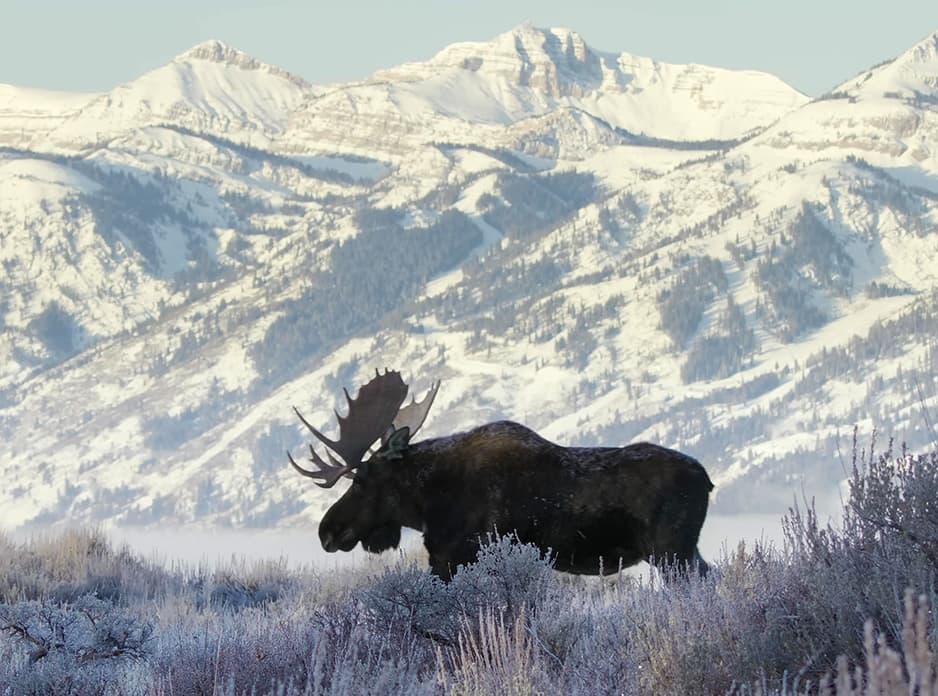
Yellowstone National Park
Home to some of the largest concentrations of wildlife in the Lower 48, Yellowstone offers opportunities to spot bison, elk, wolves, bears, moose, and pronghorn. Its sweeping valleys and open grasslands make wildlife easier to spot from a distance, with Lamar and Hayden valleys among the park’s premier viewing destinations.
Best For: Large mammals and expansive wildlife viewing
What to Look For: Bison, elk, wolves, bears, moose, and pronghorn
Local Tip: Plan a full day of exploring and check seasonal road conditions before setting out.
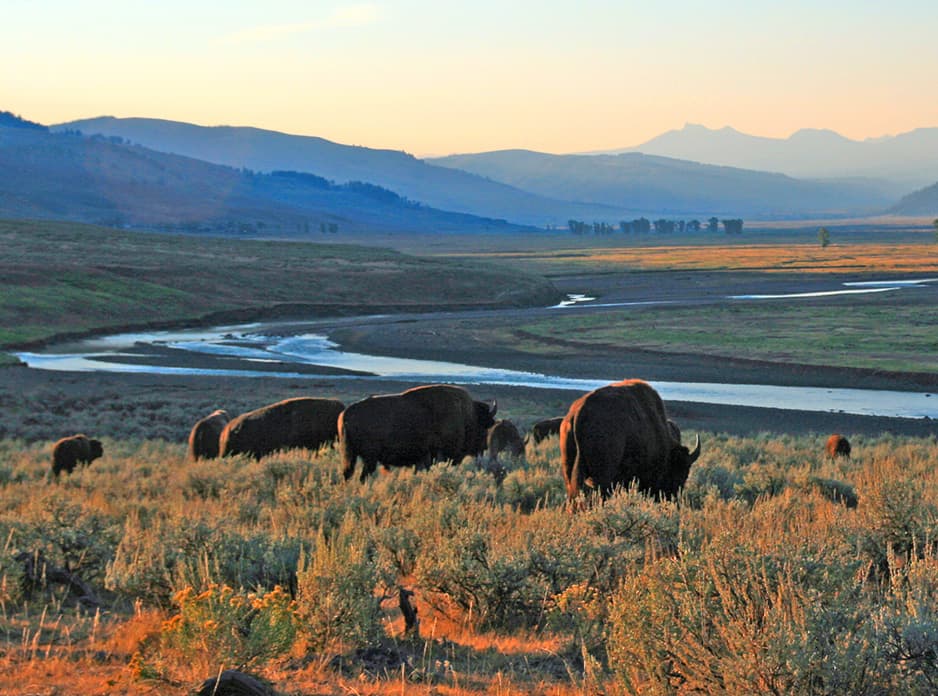
Larmar Valley
Framed by the Absaroka Mountains, Lamar Valley’s sweeping grasslands are home to herds of bison, elk, and pronghorn. The valley is particularly renowned for its wolves, which can sometimes be spotted moving across distant hillsides, along with coyotes and grizzly bears.
Best For: Wolves and wide-open wildlife viewing
What to Look For: Wolves, bison, elk, pronghorn, coyotes, and grizzly bears
Local Tip: Arrive around sunrise and bring binoculars or a spotting scope to scan the valley.
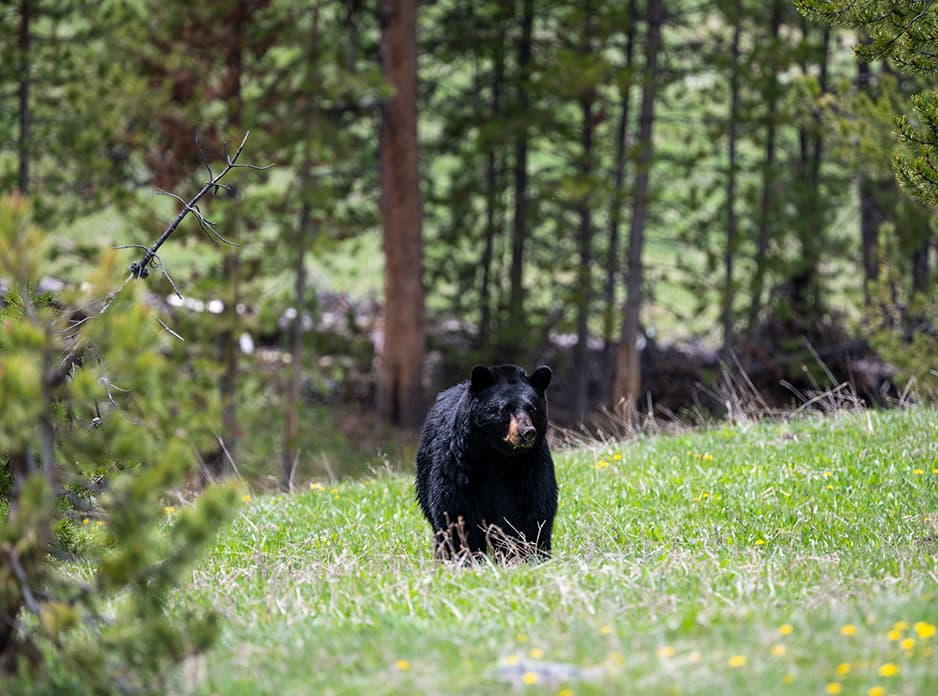
Hayden Valley
Stretching along the Yellowstone River, Hayden Valley’s open grasslands and wetlands are a favorite gathering place for large bison herds. Elk, coyotes, wolves, and bears also inhabit the area, while the river attracts waterfowl and other birdlife.
Best For: Bison and scenic wildlife viewing
What to Look For: Bison, elk, coyotes, wolves, bears, and waterfowl
Local Tip: Use established roadside viewpoints and binoculars to scan the valley for distant wildlife.
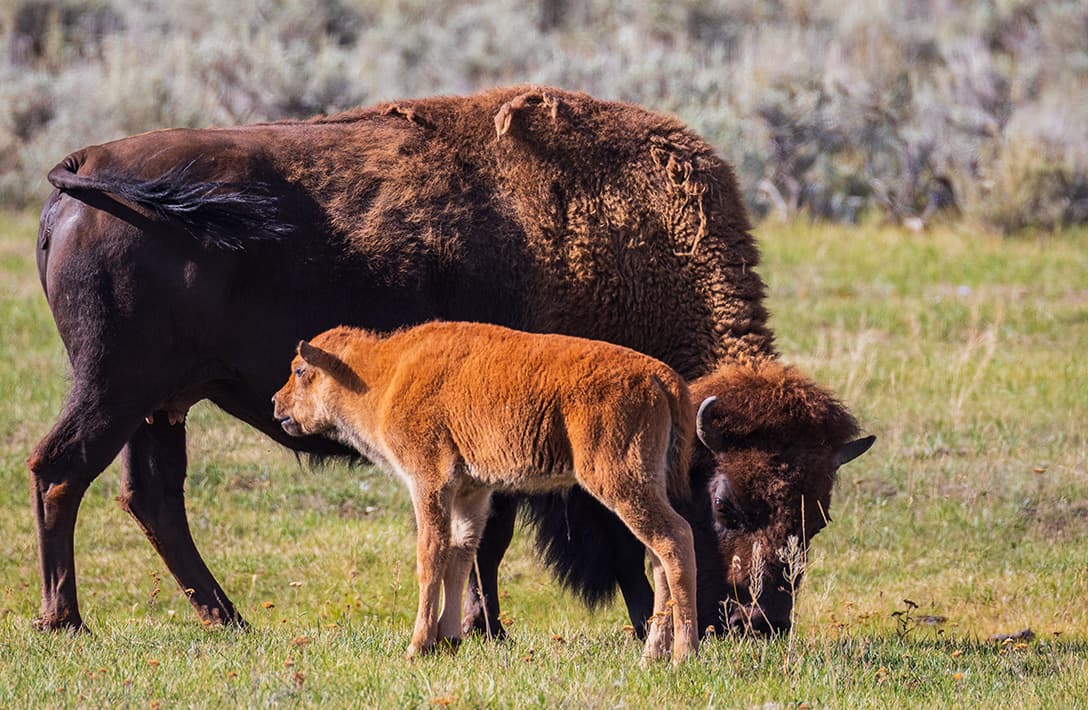
Southwest Montana’s wildlife changes with the seasons, from newborn bison calves in spring to the sound of bugling elk in autumn.
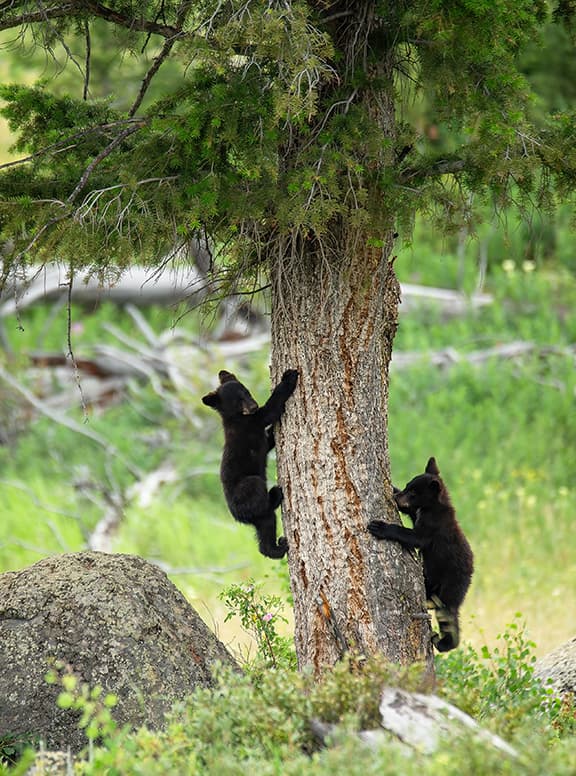
Bison calves appear across Yellowstone’s valleys, bears emerge from their dens, and migratory birds return as the snow begins to recede. Spring is also an important time to give wildlife extra space, particularly mothers with young.
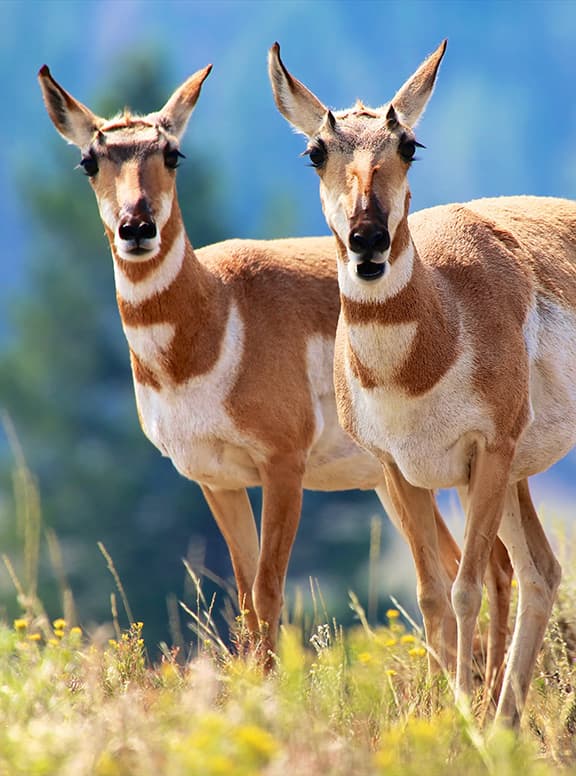
Long daylight hours make it easy to combine wildlife viewing with hiking, fishing, and scenic drives. Early mornings and evenings offer better chances of seeing active animals, while midsummer brings the bison rut to Yellowstone’s valleys.
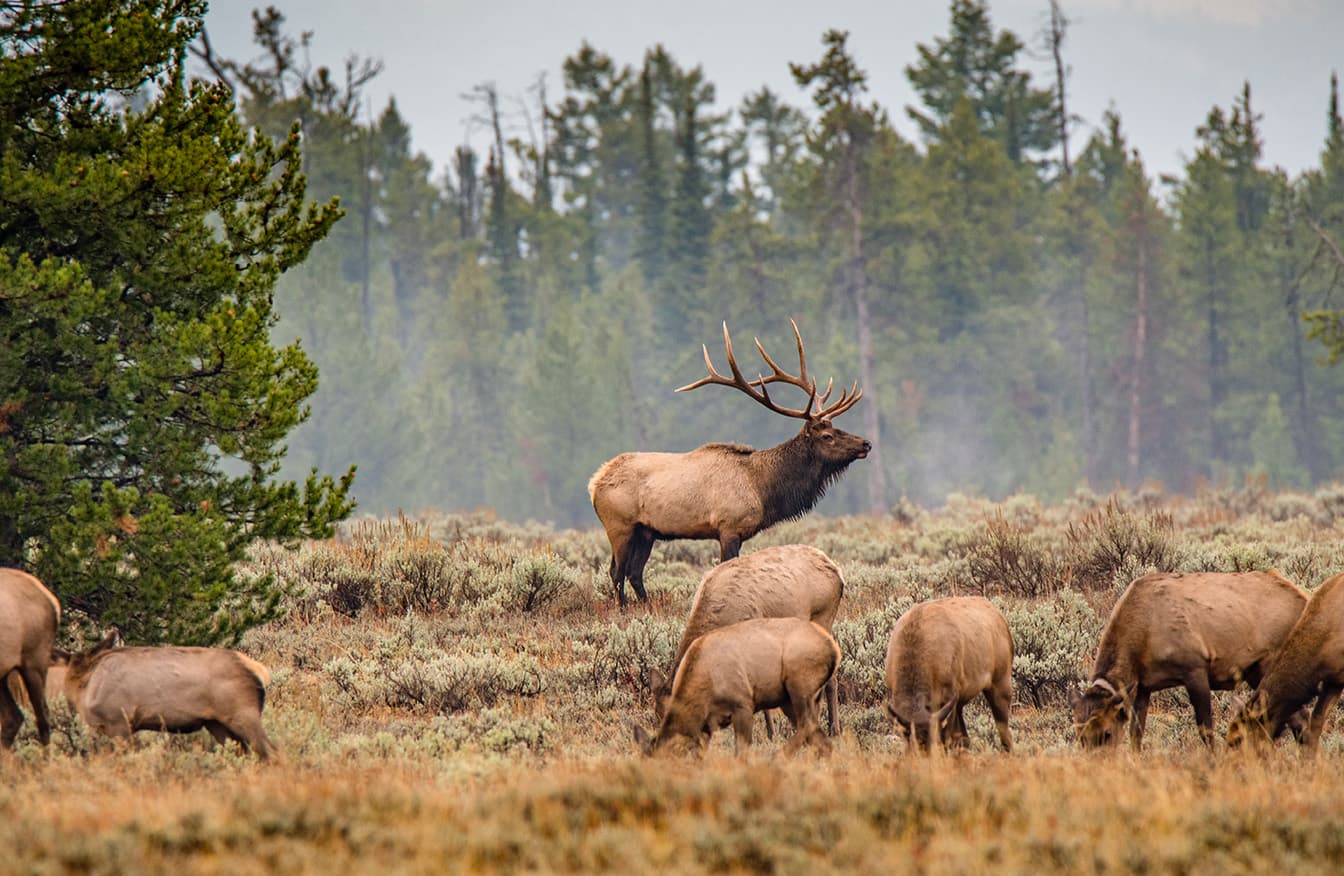
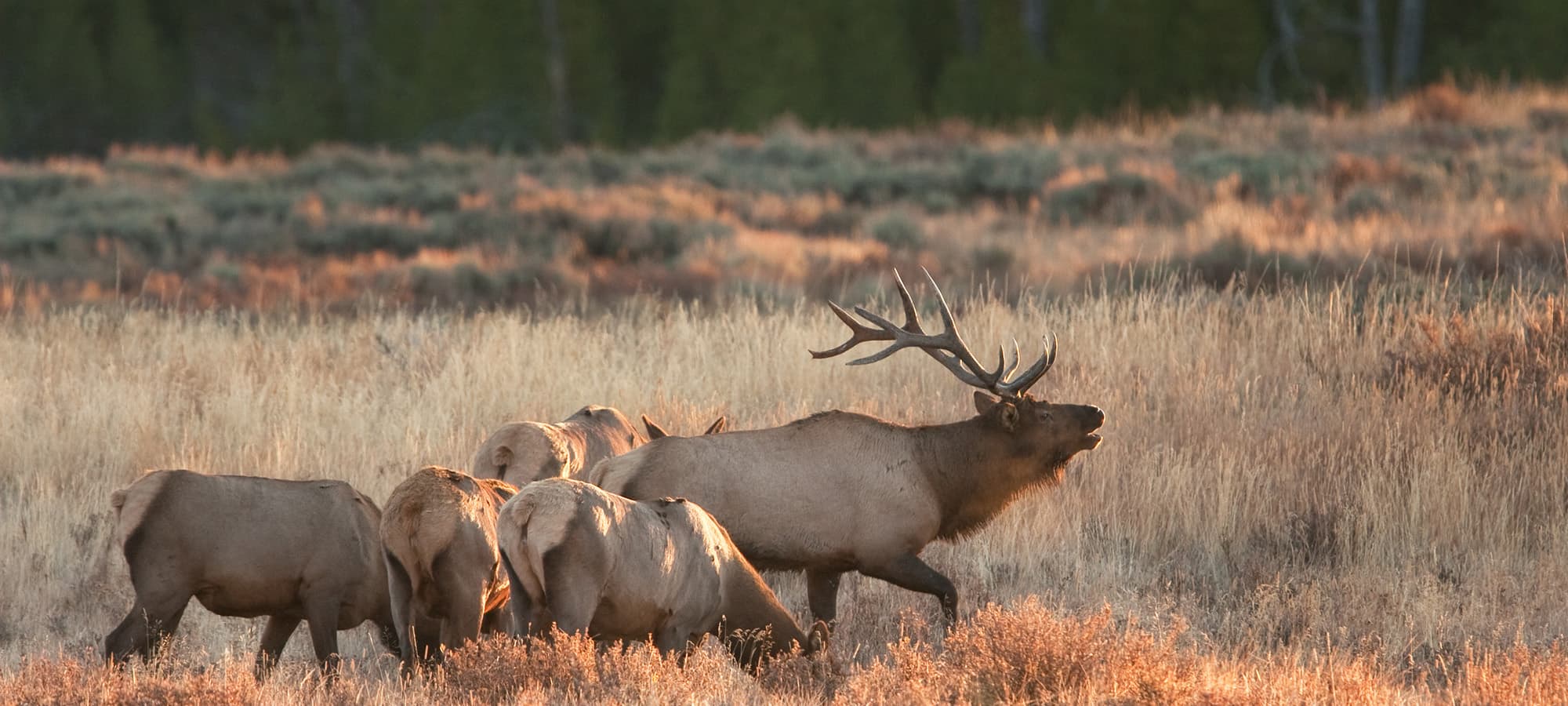
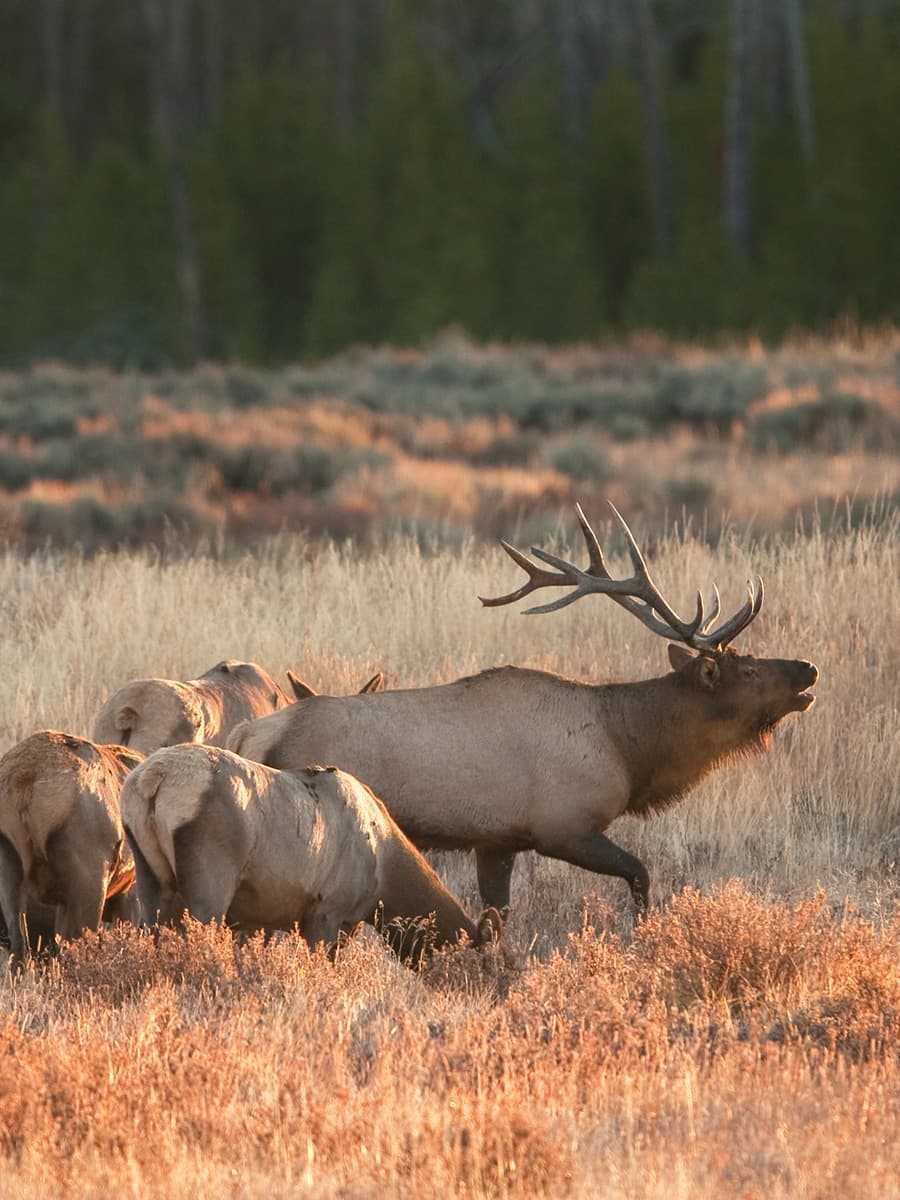
September and October mark the elk rut, when bull elk compete for mates and their distinctive bugling calls carry across the landscape. Cooler temperatures and changing foliage make fall an especially rewarding time for wildlife drives.
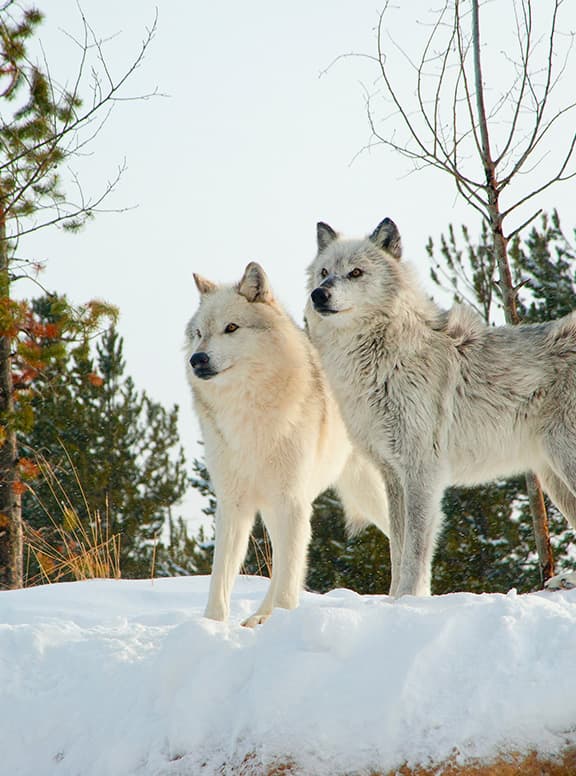
Snow-covered valleys make wildlife easier to spot, particularly across Yellowstone’s northern range. Bison, elk, bighorn sheep, and wolves remain active throughout winter, while guided tours offer a great way to explore when road access is limited.
Go With a Local Guide
Yellowstone Safari Company
Based in Bozeman, Yellowstone Safari Company leads wildlife excursions into Yellowstone National Park and the surrounding Greater Yellowstone Ecosystem.
Experienced naturalist guides bring local knowledge and professional spotting equipment, helping visitors observe wildlife from a safe distance. Tours range from full-day safaris to winter excursions and dedicated photography experiences, with opportunities to spot bison, elk, wolves, bears, and other native species.
Best For: Guided Yellowstone wildlife tours, winter excursions, and photography
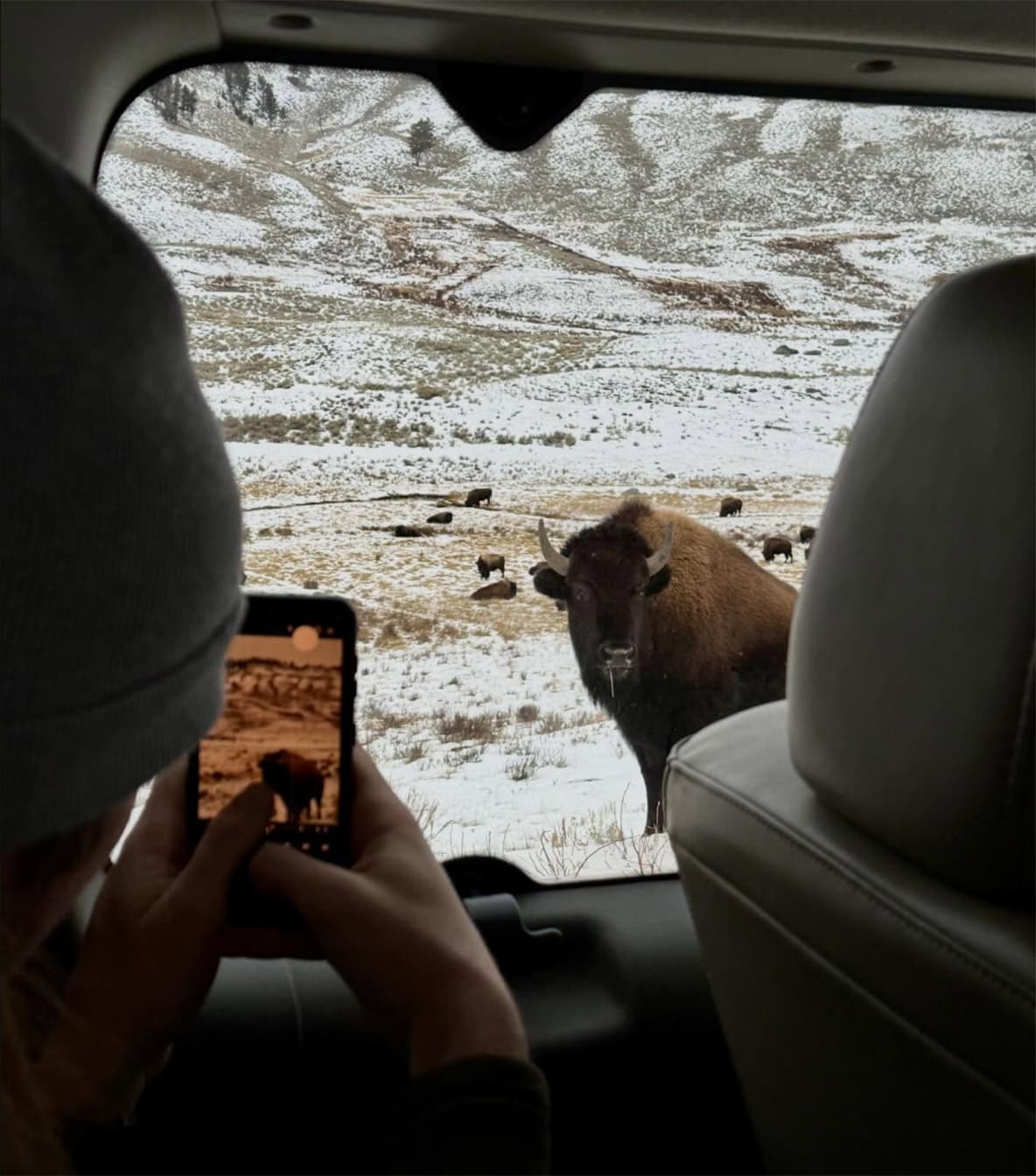
Pack Your Field kit
Wildlife viewing doesn’t require much equipment, but a few essentials can make the experience more comfortable and rewarding.
- Binoculars: Essential for observing animals from a safe distance.
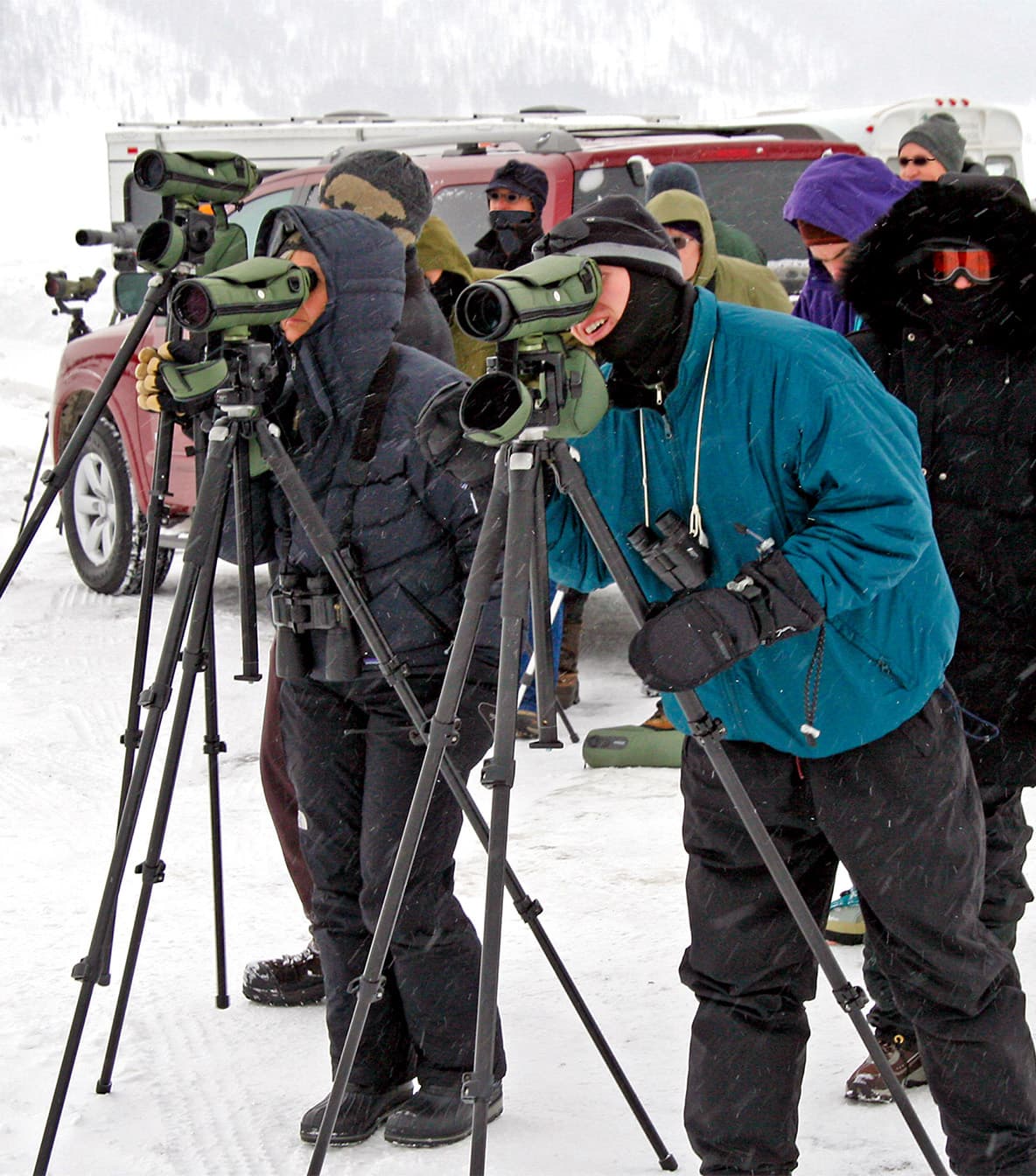
- Spotting Scope: Particularly useful for wolves and other wildlife across Yellowstone’s broad valleys.
- Camera & Telephoto Lens: Capture wildlife without needing to move closer.
- Layers: Temperatures can change quickly in the mountains, even during summer.
- Bear Spray: Carry it when hiking in bear country and know how to use it.
From the Field
The Return of the Wolf
After disappearing from Yellowstone in the early 20th century, wolves were reintroduced to the park in 1995, marking a major milestone in wildlife conservation.
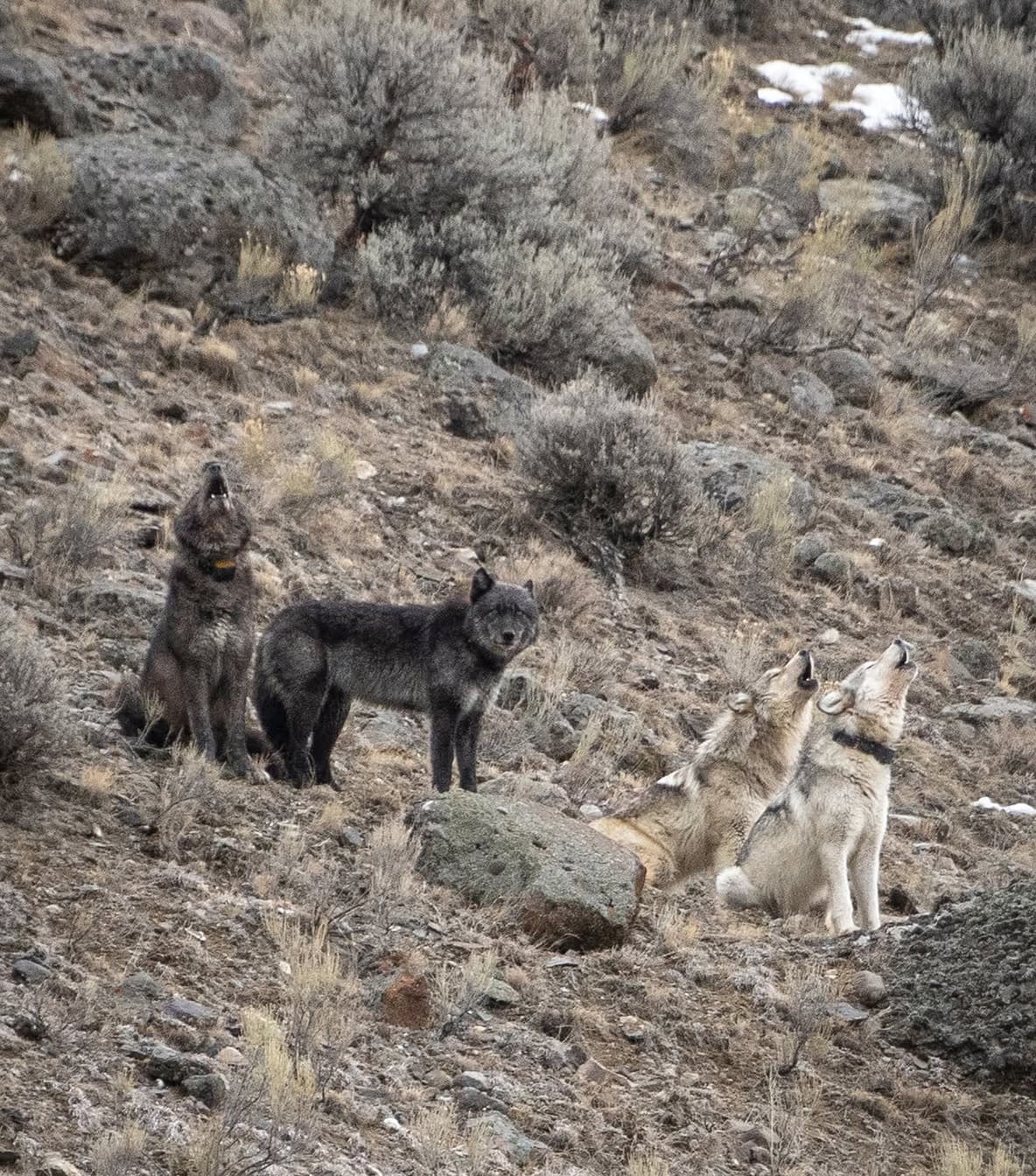
Today, established wolf packs roam Yellowstone’s northern range, with Lamar Valley among the world’s best-known places to observe them in the wild. Patient visitors may spot wolves traveling across distant hillsides or interacting with their pack.
Mind Your Ps and Qs
Give Wildlife Room to Roam
Montana’s wildlife is best appreciated from a respectful distance. A few simple practices help protect both animals and visitors.
- Keep Your Distance: Stay at least 100 yards from bears and wolves and 25 yards from other wildlife.
- Never Feed Wildlife: Human food can alter natural behavior and put animals at risk.
- Use Designated Pullouts: Keep roads clear when stopping to observe or photograph wildlife.
- Stay Bear Aware: Carry bear spray in bear country and know how to use it.
- Respect Their Space: Never approach, follow, or block an animal’s path.
- Leave No Trace: Pack out what you bring and leave habitats undisturbed.
If an animal changes its behavior because of your presence, you’re too close. Give it more space and observe from a safe distance.
Basecamp Bozeman
Stay Longer, Save Up to 20%
From early mornings along the Gallatin River to full days exploring Yellowstone, some of Southwest Montana’s best wildlife viewing deserves more than a quick visit. Make Field & Stream Lodge your basecamp, with a hot tub, Dry Fly Saloon, and evenings around the fire waiting when you return.
Stay three nights or more with our Basecamp Montana offer and save up to 20%, giving you more time to explore the wild side of Bozeman.


Hooked?
We'll drop you a line. Sign up to receive Lodge Co. news including openings, events, and special offers.